
Art Form
Warli
Dahanu, Maharashtra · Western India
What It Is
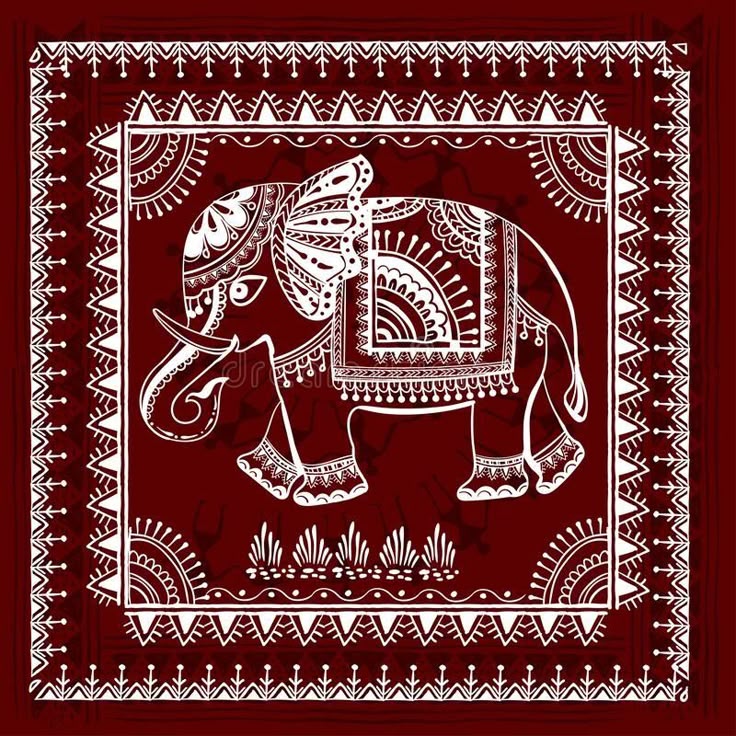
Warli art is one of the oldest tribal art forms in India, dating back approximately 3,000 years to the Neolithic period. Practiced by the Warli tribe of Maharashtra, this art uses simple geometric shapes — circles, triangles, and lines — to depict daily life.
Emotional Qualities
History & Origin
The Warli tribe, numbering about half a million, lives in the mountainous and coastal areas of the Gujarat-Maharashtra border. Their art tradition predates even the great Indus Valley Civilization.
Cultural Significance
Warli art is a visual encyclopedia of tribal life — farming, fishing, hunting, dancing, and celebrating. The famous Tarpa dance represents community harmony.
Technique
The white pigment is made from rice paste, water, and gum. It is applied to a terracotta-colored surface using a bamboo stick chewed at the end to create a paintbrush.
Materials Used
Cultural Context
For centuries, Warli paintings were created only inside homes, typically on mud walls during weddings and harvest festivals. The art form represents the deepest expressions of tribal identity and connection to the land.
When This Art Form Works Best
Community celebration art
Minimalist interior design
Corporate cultural installations
Nature-themed environments
How Our Artists Approach This Form
Our Warli artists maintain the traditional white-on-terracotta palette and sacred dance motifs. Each painting is a truthful document of tribal life — nothing is imagined, everything is lived.
Featured Works
Examples from our artists
No works listed yet. Be the first to commission one.
Commission this art formArtists Who Practice This Form
Meet the masters keeping this tradition alive

Ready to commission a warli piece?
Tell us about your story, and we will match you with the perfect artist.
Start a Commission