
Art Form
Tanjore
Thanjavur, Tamil Nadu · Southern India
What It Is
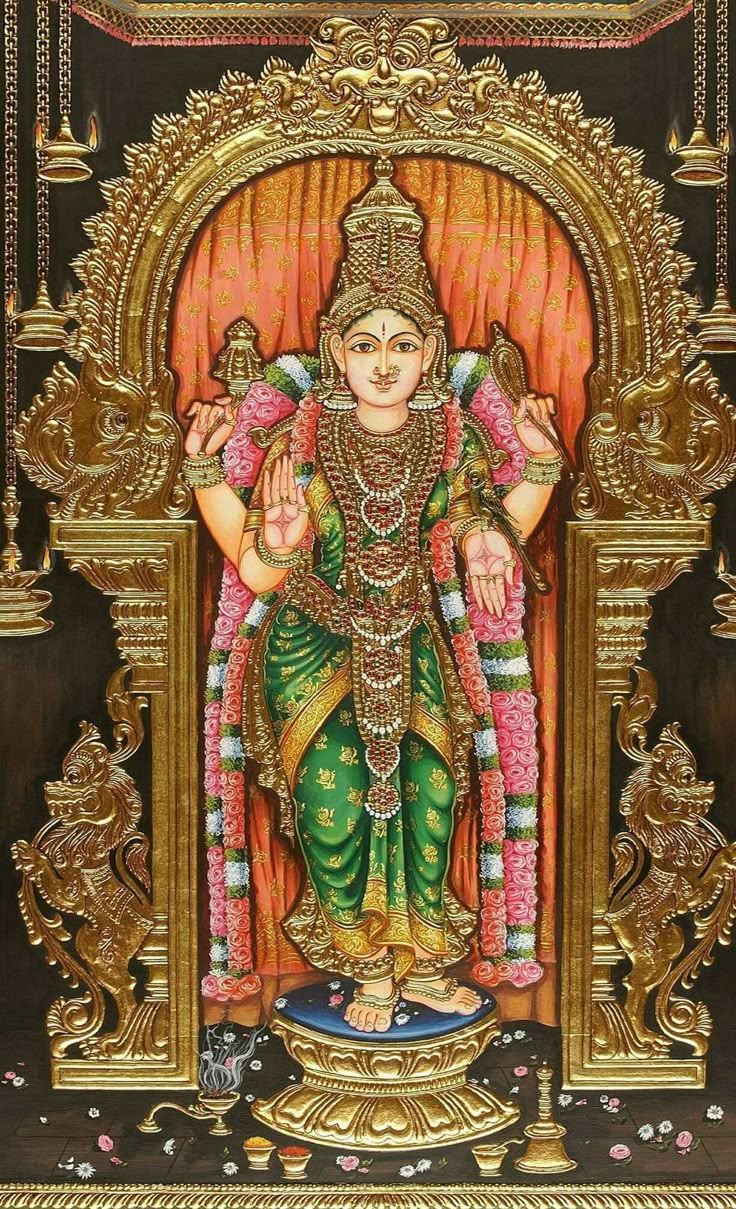
Tanjore painting is a classical South Indian art form that originated around 1600 CE. Known for its opulent surface richness, vivid colors, and lavish use of gold foil and semi-precious stones.
Emotional Qualities
History & Origin
Tanjore painting flourished under the patronage of the Maratha rulers of Thanjavur, the Nayak dynasty, and the Chola empire. Originally created as devotional panels for temples and royal courts.
Cultural Significance
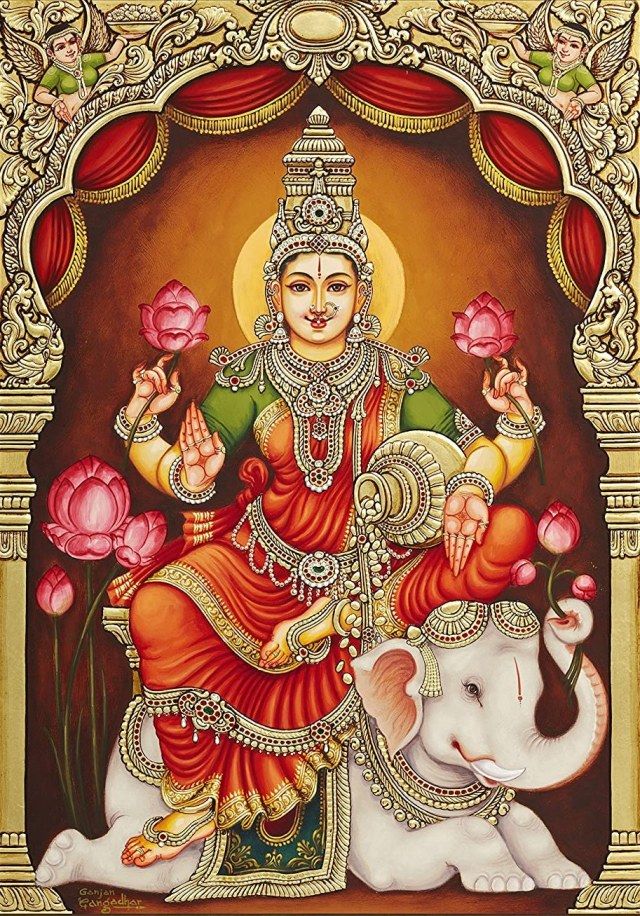
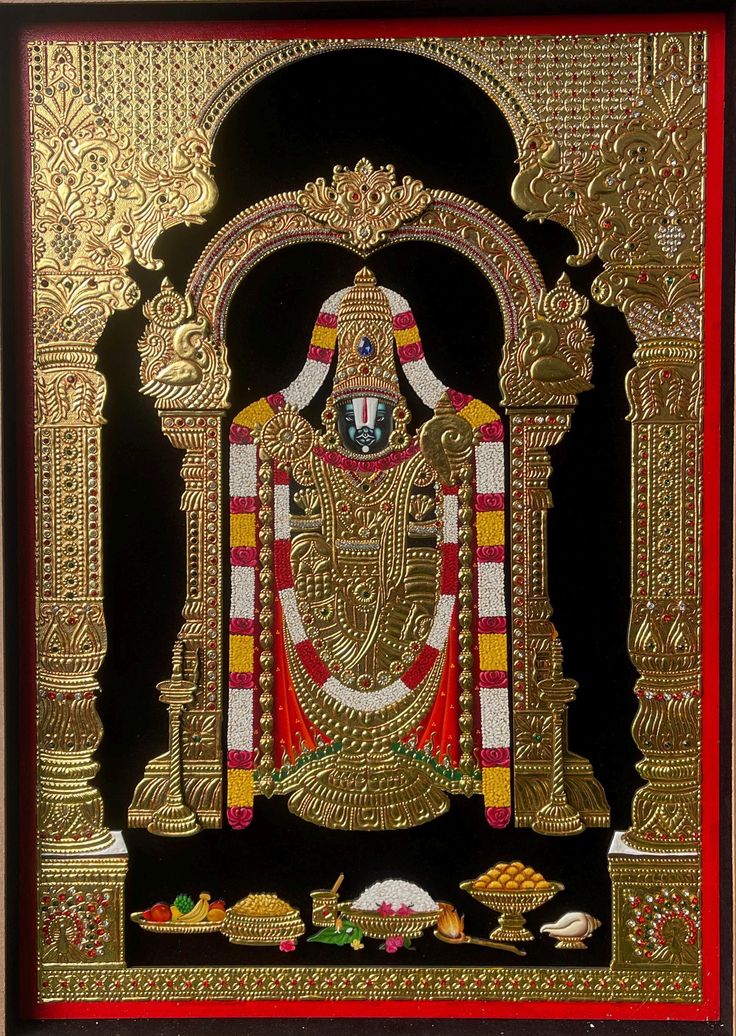
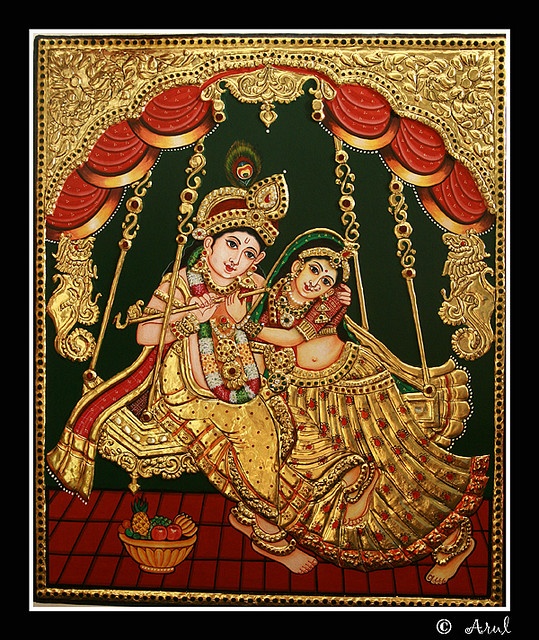
Tanjore paintings primarily depict Hindu gods, goddesses, and saints. The gold foil represents divine radiance, while the raised gesso work gives the deities a three-dimensional presence.
Technique
A preliminary sketch is drawn on a wooden board coated with French chalk and gum. A paste of chalk powder and gum (gesso) is applied to create raised surfaces. 22-karat gold foil is carefully pressed onto the gesso work.
Materials Used
Cultural Context
Born from the confluence of Deccani, Vijayanagara, Maratha, and European painting traditions, Tanjore painting represents the peak of South Indian devotional art. The Brihadeeswara Temple remains the spiritual center of this tradition.
When This Art Form Works Best
Home temple and puja rooms
Devotional commissions
Luxury interiors
Heritage gifting
How Our Artists Approach This Form
Our Tanjore artists honor the meticulous 400-year-old process of gesso work, gold foiling, and gem-setting while exploring both traditional devotional subjects and contemporary themes.
Featured Works
Examples from our artists
Artists Who Practice This Form
Meet the masters keeping this tradition alive



Ready to commission a tanjore piece?
Tell us about your story, and we will match you with the perfect artist.
Start a Commission