
Art Form
Nirmal Painting
Nirmal, Telangana · Southern India
What It Is
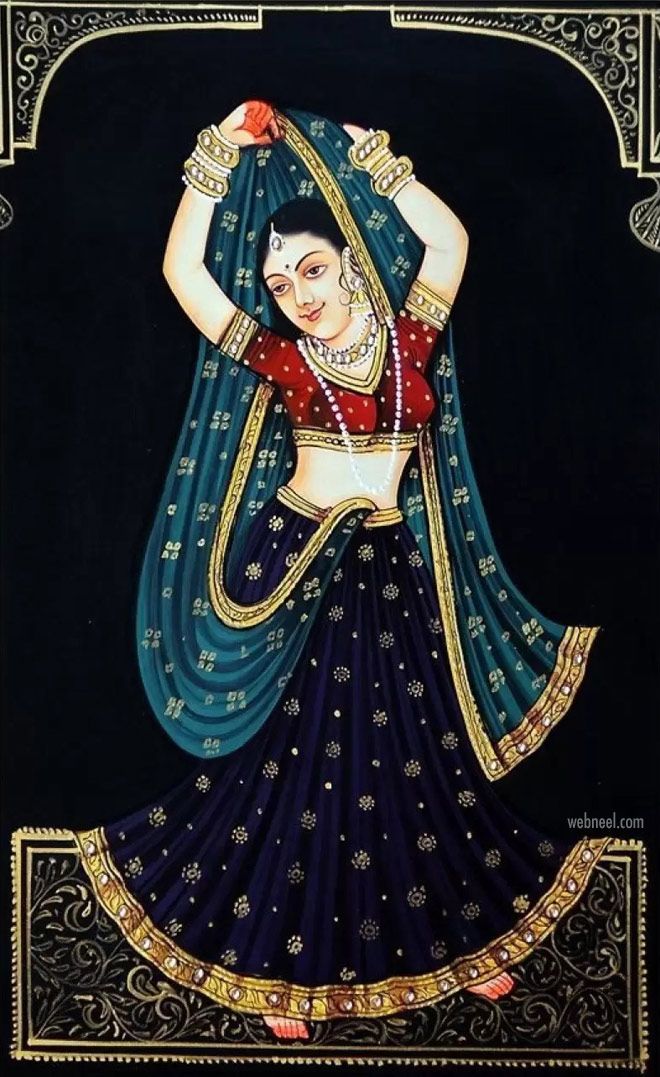
Nirmal painting is a traditional art form from Telangana, characterized by its soft pastel colors, gold-leaf highlights, and delicate depictions of flora, fauna, and mythological scenes on softwood panels.
Emotional Qualities
History & Origin
The art form originated in the 14th century under the patronage of the Hyderabad Nizams. The artists of Nirmal, known as Naqash, developed a unique style blending Persian miniature influences with local Deccani aesthetics.
Cultural Significance
Nirmal paintings represent the harmonious blending of Persian, Deccani, and Dravidian cultural influences. The recurring motifs of parrots, peacocks, and flowering trees symbolize prosperity and beauty.
Technique
Nirmal paintings are created on locally sourced Ponniki wood. Artists use herbal and mineral colors mixed with natural gum, applying them in thin, translucent layers to achieve the characteristic soft, luminous quality.
Materials Used
Cultural Context
Nirmal painting sits at a unique crossroads of Persian elegance and Deccani warmth. Under the Nizams' patronage, it evolved into a sophisticated court art while maintaining its connection to the pastoral beauty of Telangana's landscapes.
When This Art Form Works Best
Elegant home decor
Nature and wildlife themes
Soft, calming interiors
Cultural gifting
How Our Artists Approach This Form
Our Nirmal artisans use locally sourced Ponniki wood and traditional herbal pigments, applying thin translucent layers to achieve the signature soft luminosity that has characterized this art form for 600 years.
Featured Works
Examples from our artists
No works listed yet. Be the first to commission one.
Commission this art formArtists Who Practice This Form
Meet the masters keeping this tradition alive
Ready to commission a nirmal painting piece?
Tell us about your story, and we will match you with the perfect artist.
Start a Commission